AI, Meta, and the Hack: Lessons for B2B Cybersecurity
A recent Meta-focused cyberattack highlights the dangerous intersection of AI and social engineering. Learn how B2B companies can defend against these sophisticated hacks.
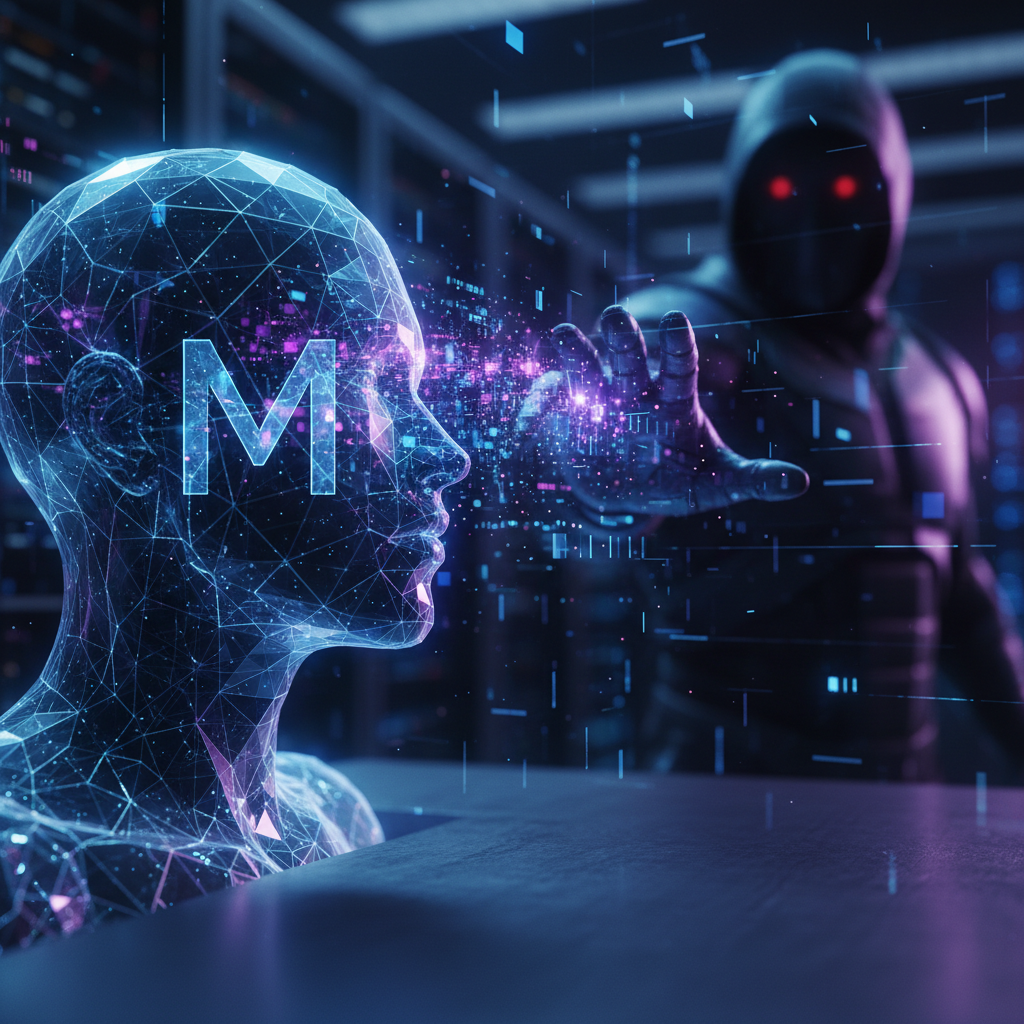
The recent revelation involving a sophisticated cyberattack campaign targeting users through Meta’s ecosystem has sent ripples through the cybersecurity community. As reported by the BBC, hackers are increasingly leveraging high-pressure tactics and social engineering to bypass traditional security perimeters.
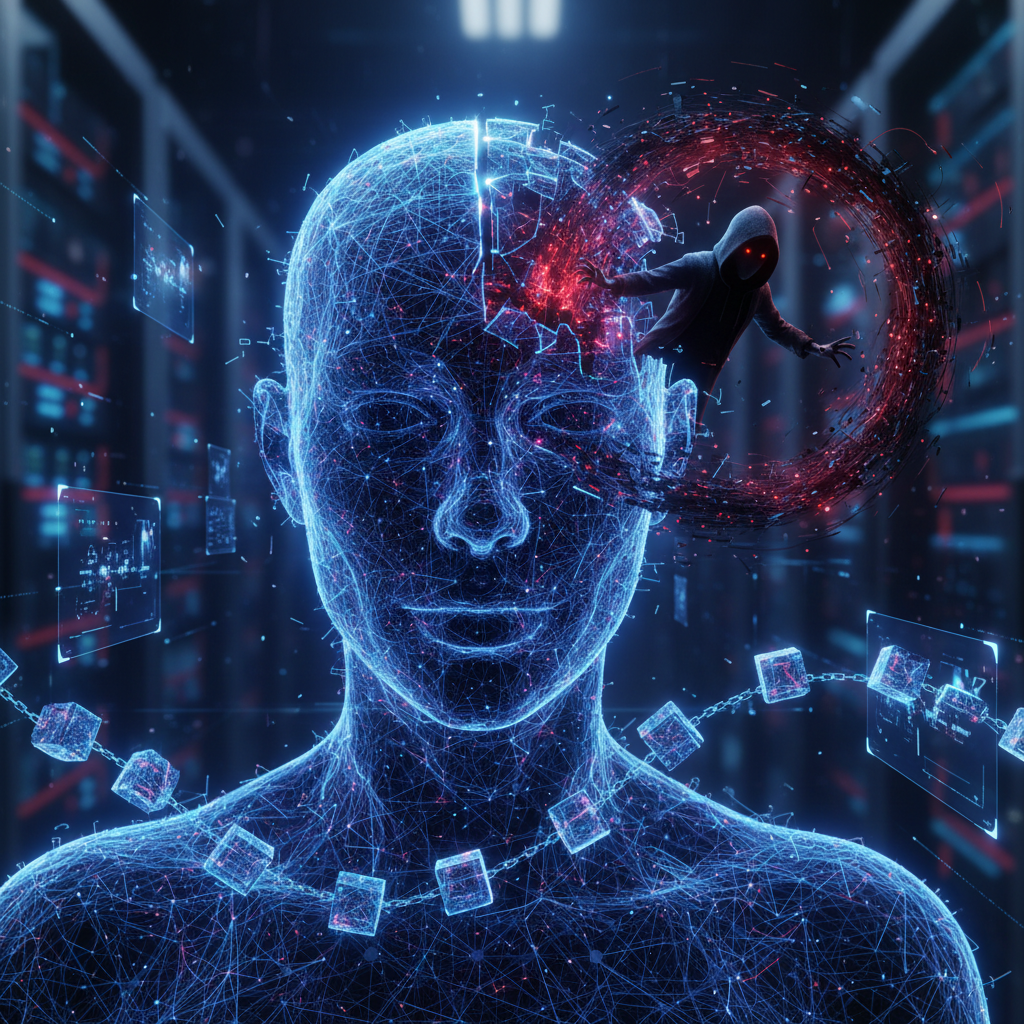
For B2B organizations, this incident serves as a critical wake-up call regarding the convergence of AI, Meta, and the evolving hack landscape. It highlights a shift where individual social media profiles are no longer just personal liabilities—they are gateways to corporate networks.
The Anatomy of the Attack: How Hackers Targeted Meta Users
The campaign involved malicious actors gaining unauthorized access to accounts and using them to spread malware or phishing links. What makes this specific instance noteworthy is the level of automation and personalization involved.
Hackers are moving away from "spray and pray" methods. Instead, they are using data scraping and automated tools to identify high-value targets—such as IT administrators or C-suite executives—and tailoring their approach. By compromising a trusted contact's Meta account, hackers can send messages that bypass the typical skepticism users have for unknown senders.
The AI Multiplier: Sophistication at Scale
Perhaps the most concerning aspect of modern breaches is the integration of Artificial Intelligence. While the BBC report focuses on the breach itself, the underlying trend involves hackers using AI to enhance every stage of the kill chain:
- Deepfake Phishing: AI allows hackers to create highly convincing audio or video messages, making social engineering attempts through platforms like Messenger or WhatsApp nearly indistinguishable from reality.
- Automated Reconnaissance: AI tools can scan Meta profiles to gather intelligence on company hierarchies, recent events, and employee relationships, allowing for laser-targeted spear-phishing.
- Polymorphic Malware: Hackers use AI to rewrite malware code on the fly, helping it evade signature-based detection systems once a user clicks a malicious link.
Why B2B Companies Should Be Concerned
Many businesses treat social media security as a secondary concern, assuming their corporate firewall and EDR (Endpoint Detection and Response) solutions will catch any fallout. However, the "Meta hack" demonstrates why this is a dangerous assumption.
1. The Home-to-Work Pipeline
With the rise of remote and hybrid work, the lines between personal and professional devices have blurred. An employee checking their Meta notifications on a company-managed laptop can inadvertently introduce ransomware into the corporate environment with a single click.
2. Brand Impersonation and Trust
Hackers don't just steal data; they steal reputation. If an executive's account is compromised, it can be used to send fraudulent invoices to partners or spread misinformation that tanks brand equity.
3. Circumventing MFA
Recent attacks have shown that hackers are becoming adept at "MFA fatigue" attacks—sending dozens of push notifications to a user’s phone until they accidentally click "Approve." AI helps hackers time these requests for maximum psychological impact.
Defensive Strategies: Protecting Your Organization
In an era where AI, Meta, and hacks are interconnected, a reactive posture is insufficient. Organizations must adopt a proactive, multi-layered defense strategy.
Zero Trust Architecture
Assume that any message, even one from a "verified" contact on Meta, could be a threat. Implement Zero Trust principles where access to corporate resources is strictly controlled and continuously authenticated, regardless of the user's location or device.
Advanced Threat Intelligence
Utilize AI-driven security tools that monitor for anomalous behavior. If an employee suddenly begins downloading massive amounts of data after clicking a link in a social media app, your security system should be able to flag and isolate that device automatically.
Employee Education and Simulation
Security Awareness Training (SAT) must evolve. Traditional annual training is no longer enough. Companies should run simulated phishing campaigns that specifically mimic the tactics used in the Meta breach, teaching employees how to spot "socially engineered" red flags.
Passkeys and Hardware Authentication
While SMS-based 2FA is better than nothing, it is vulnerable to SIM swapping and interception. Moving toward hardware security keys or biometric "passkeys" provides a much higher level of protection against account takeovers.
Conclusion: The New Frontier of Cybersecurity
The report from the BBC is a stark reminder that the digital battlefield is expanding. The intersection of AI, Meta, and hack techniques means that cybersecurity is no longer just about protecting the server room—it’s about protecting the digital identity of every individual in your organization.
As hackers refine their tools with AI, businesses must respond with equally sophisticated technology and a culture of radical vigilance. The cost of a breach today isn't just a ransom payment; it's the loss of trust in an increasingly interconnected world.
Is your team prepared for the next wave of social-media-driven cyberattacks? Contact our security experts today for a comprehensive risk assessment.