The Power of Layered Cybersecurity: Why SMBs Need a Defense-in-Depth Strategy
Protect your business from evolving threats. Learn why a layered cybersecurity approach is essential for SMBs to defend against ransomware, phishing, and data breaches.
Small and mid-sized businesses (SMBs) often operate under the dangerous misconception that they are "too small" to be targeted by cybercriminals. The reality, however, is quite the opposite. According to recent industry reports, nearly half of all cyberattacks target small businesses, largely because hackers perceive them as having weaker defenses than large enterprises.
Relying on a single security solution, like a basic firewall or antivirus software, is no longer enough to stop modern threats. To truly protect your assets, reputation, and continuity, you need layered cybersecurity.
What is Layered Cybersecurity?
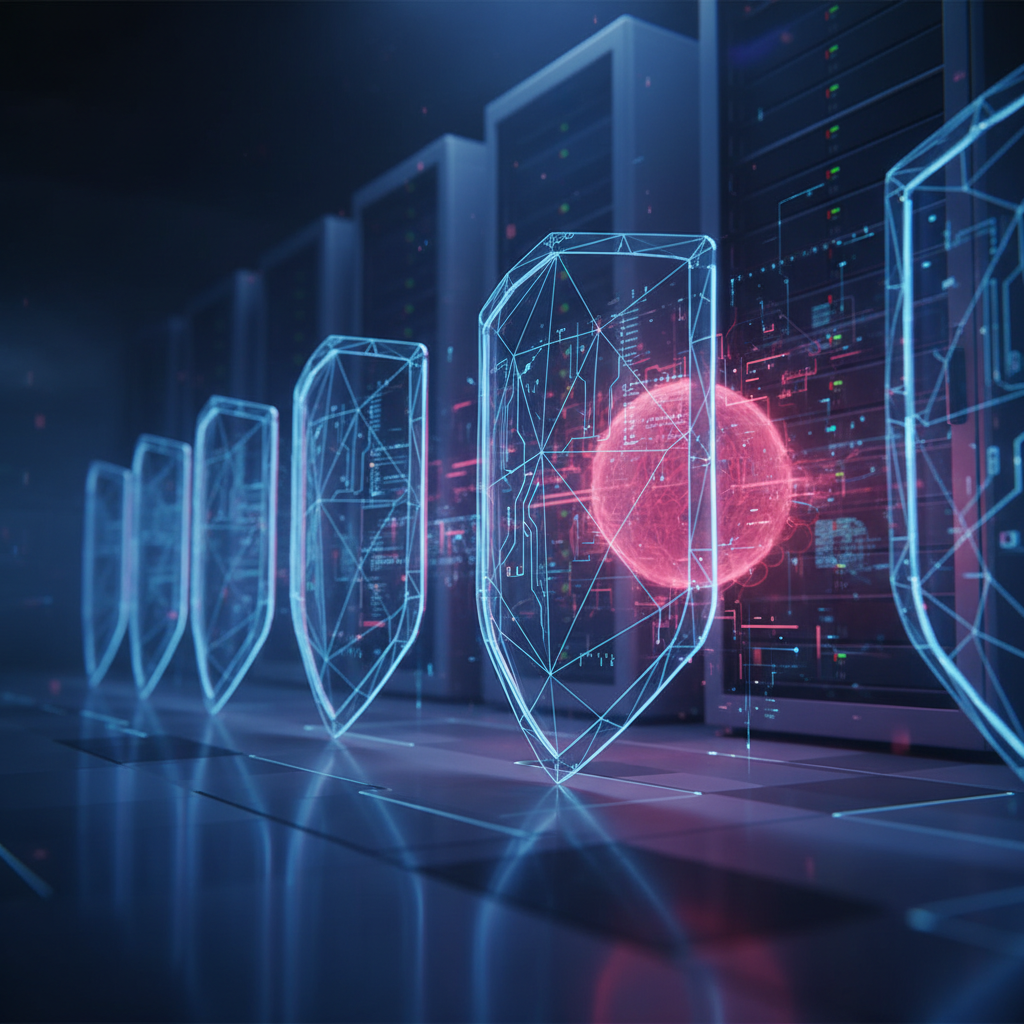
Layered cybersecurity, often referred to as "Defense in Depth," is a strategic approach to security that employs multiple defensive measures to protect an organization’s data and systems. The philosophy is simple: if one layer of defense fails, others are in place to block the threat.
Think of it like securing a physical building. You don't just lock the front door; you install perimeter fencing, security cameras, motion sensors, and a safe for your most valuable assets. In the digital world, these layers work together to create a formidable barrier against evolving cyber threats.
The Essential Layers of a Modern Defense Strategy
For SMBs, building a layered defense doesn't have to be prohibitively expensive or complex. It starts with identifying the most common attack vectors and placing controls at each point.
1. Perimeter Security
The first line of defense is your network perimeter. This involves securing the "entry points" to your business network.
- Next-Generation Firewalls (NGFW): These go beyond traditional firewalls by inspecting traffic for malicious patterns and blocking unauthorized access.
- Secure Wi-Fi: Ensuring that corporate and guest networks are segregated and encrypted.
2. Endpoint Protection
With the rise of remote work, the "perimeter" has effectively moved to wherever your employees are. Endpoints—laptops, smartphones, and tablets—are frequent targets for malware and ransomware.
- Endpoint Detection and Response (EDR): Modern EDR solutions use AI to monitor device behavior and stop threats in real-time, even if they haven't been seen before.
- Mobile Device Management (MDM): Allows IT teams to secure, monitor, and manage mobile devices used for work purposes.
3. Email and Web Security
Phishing remains the #1 way attackers gain access to SMB networks. A single malicious link clicked by an employee can bypass even the strongest firewall.
- Email Filtering: Automatically identifying and quarantining suspicious emails, attachments, and links.
- DNS Filtering: Blocking users from accessing known malicious websites, preventing malware downloads before they start.
4. Identity and Access Management (IAM)
Stolen credentials are a goldmine for hackers. If an attacker gets a password, they can walk right through the front door.
- Multi-Factor Authentication (MFA): This is perhaps the most critical layer. Requiring a second form of verification (like a code on a phone) makes stolen passwords nearly useless.
- Least Privilege Access: Ensuring employees only have access to the specific data and systems they need for their jobs.
5. The Human Layer: Security Awareness Training
Technology can only do so much. Your employees are your greatest risk—but they can also be your strongest defense. Regular security awareness training teaches staff how to spot social engineering tactics, identify phishing attempts, and follow best practices for data handling.
The Role of Patch Management and Backups
Beyond the active defensive layers, two foundational practices act as your "safety net":
- Patch Management: Vulnerabilities in software (like Windows or Chrome) are frequently exploited. Keeping all software up to date ensures that known "holes" are plugged before hackers can use them.
- Data Backups: If a breach does occur—such as a ransomware attack—having a recent, immutable backup ensures that you can restore your data without paying a ransom or suffering permanent data loss.
Why SMBs Cannot Afford to Wait
The cost of a single data breach can be catastrophic for a small business. Beyond the immediate financial loss from downtime and ransom payments, there are long-term costs associated with legal fees, regulatory fines, and the loss of customer trust.
A layered cybersecurity approach provides:
- Reduced Risk: Overlapping controls significantly lower the likelihood of a successful breach.
- Improved Detection: With multiple tools monitoring different areas, you are more likely to catch an intruder early in the attack lifecycle.
- Regulatory Compliance: Many industries (healthcare, finance, legal) now require a multi-layered security approach to meet compliance standards like HIPAA or CMMC.
Partnering for Success
Building and managing a layered security stack requires specialized expertise and constant monitoring. For many SMBs, an internal IT team is already stretched thin. This is where a Managed Service Provider (MSP) or Managed Security Service Provider (MSSP) becomes invaluable.
By partnering with experts, you gain access to enterprise-grade security tools and 24/7 monitoring, allowing you to focus on growing your business while the professionals focus on protecting it.
Conclusion
Cybersecurity is not a "set it and forget it" project. It is an ongoing strategy of refinement and vigilance. By implementing a layered cybersecurity framework, you aren't just buying software—you are building resilience. In today's digital landscape, that resilience is the foundation of business success.